
Cargo Theft During Peak Season: : What 3PL Customers Need to Know Now
As peak season ramps up, so do the risks, and strategic cargo theft is quickly becoming one of the logistics industry's most dangerous threats.
According to the American Transportation Research Institute (ATRI), cargo theft costs U.S. supply chains up to $35 billion annually. It’s not a smash-and-grab problem anymore. Today’s criminals are running highly organized operations—using fake identities, fraudulent carrier documents, and digital manipulation to steal full truckloads of freight. Even seasoned shippers and brokers are being caught off guard.
Cargo thieves aren’t just hijacking trucks—they’re posing as legitimate carriers and brokers. Here's how it works:
Double Brokering Scams: A criminal posing as a broker, re-brokers the load to an unsuspecting carrier, then disappears with the payment. The actual carrier delivers the freight but never gets paid—leaving shippers potentially on the hook for double payment.
Hostage Loads: Some criminals pick up freight and then demand additional money before delivering it, holding the goods "hostage."
Fictitious Pickups: Fraudsters impersonate legitimate carriers using slightly altered email addresses or cloned FMCSA profiles to secure loads. They show up with real trucks and forged documents, then vanish after pickup.
Large-Scale Pilferage: Thieves skim products from sealed trailers without detection, often by removing trailer doors rather than breaking seals. One DA team member recalled a case involving a beverage brand where criminals repeatedly skimmed product en route, only discovered after a warehouse sting.
Targeted States & Commodities
The most targeted areas are those with large port access and distribution hubs:
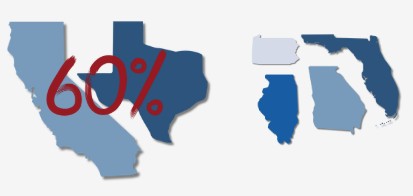
California and Texas – Together account for nearly 60% of reported cargo thefts
Florida, Georgia, Illinois, and Pennsylvania – Also frequent hotspots
Commodities often stolen:
- Electronics (28%)
- Batteries & solar panels (18%)
- Food and beverage products, especially energy drinks, coffee, and snacks (14%)
- Home & garden items such as appliances and pet supplies (13%)
Source: Freight Waves; Numerica; ATRI; TAPA EMEA Quarterly Reports
What Distribution Alternatives is Doing to Protect Shipments
With warehouses in both California and Texas—high-risk zones for cargo fraud—DA has taken a proactive, multi-layered approach:

Carrier Verification
- Every carrier is vetted through SaferWatch, verifying safety scores, inspection history, and fraud alerts.
- Verbal confirmation with dispatchers helps flag suspicious behavior early.
Pickup Protocols
- For high-profile clients like Sephora and United Beauty, DA enforces strict security checks before any truck is allowed on-site—including matching driver ID, license plates, and equipment numbers to pre-approved details.
- All warehouse entries are logged and verified before loads are staged or released.
Broker Oversight
- The DA freight team communicates daily with every carrier during transit— confirming location and delivery details to maintain visibility.
- Red flags (like requests for quick pay before pickup or suspicious attempts to obtain load details not relevant to the shipment) are grounds for immediate load cancellation.
Security Culture
- Warehouse security personnel never leave their posts, and unknown drivers without proper credentials are turned away.
- Suspicious activity is escalated immediately, and no load moves without complete verification.
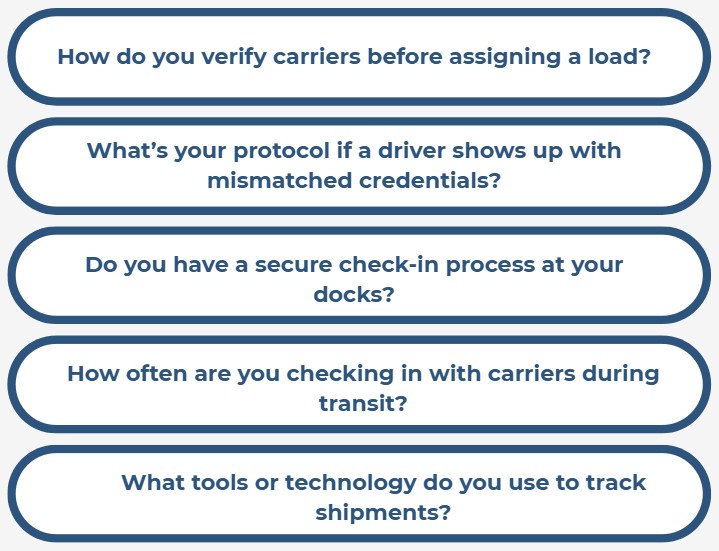
What Shippers Should Ask Their Freight Partners
If you’re outsourcing freight this peak season, ask these critical questions:
Industry Collaboration: Hope on the Horizon
Legislation is catching up. The Combating Organized Retail Crime Act (CORCA) aims to standardize cargo theft reporting and build a national database. In Minnesota, the Trucking Association is advocating for state-level task forces and data-sharing protocols to strengthen prevention efforts.
However, until those laws pass, prevention is up to logistics providers, brokers, and shippers.
The Bottom Line
Cargo fraud is not a “what-if” scenario. It’s already here, and rising fast. At DA, we’re doubling down on security, visibility, and carrier compliance to protect our clients’ freight. We also encourage every shipper to stay alert, ask tough questions, and work with logistics partners who put load integrity first.
If you’re concerned about securing your freight this peak season, let’s talk. Our team is ready to help you protect your supply chain from end to end.