
Global trade is facing pressure from multiple directions:
shifting tariff policy, geopolitical instability, rising transportation costs, and tighter supply chain timelines. For importers, retailers, manufacturers, and eCommerce brands, these issues are no longer separate.
They now overlap in ways that directly affect landed costs, inventory planning, fulfillment strategy, and customer pricing.
Why Tariffs Matter Right Now
Tariffs directly increase the cost of imported goods. Depending on the product category and country of origin, businesses may face broad import surcharges, sector-specific tariffs, or trade-agreement-based rates. Current tariff tracking shows active pressure across categories such as steel, aluminum, copper, semiconductors, lumber, pharmaceuticals, trucks, and goods from key trading partners including China, Japan, India, Vietnam, the European Union, and others.
For supply chain leaders, this creates three major challenges:
- Higher landed product costs
- More complex sourcing and compliance decisions
- Greater pressure to manage inventory, fulfillment, and transportation efficiently
Tariffs also impact de minimis shipments, which historically allowed many low-value imports to enter duty-free. Changes to this treatment can especially affect eCommerce brands and businesses relying on direct import models.
Why the Strait of Hormuz Matters
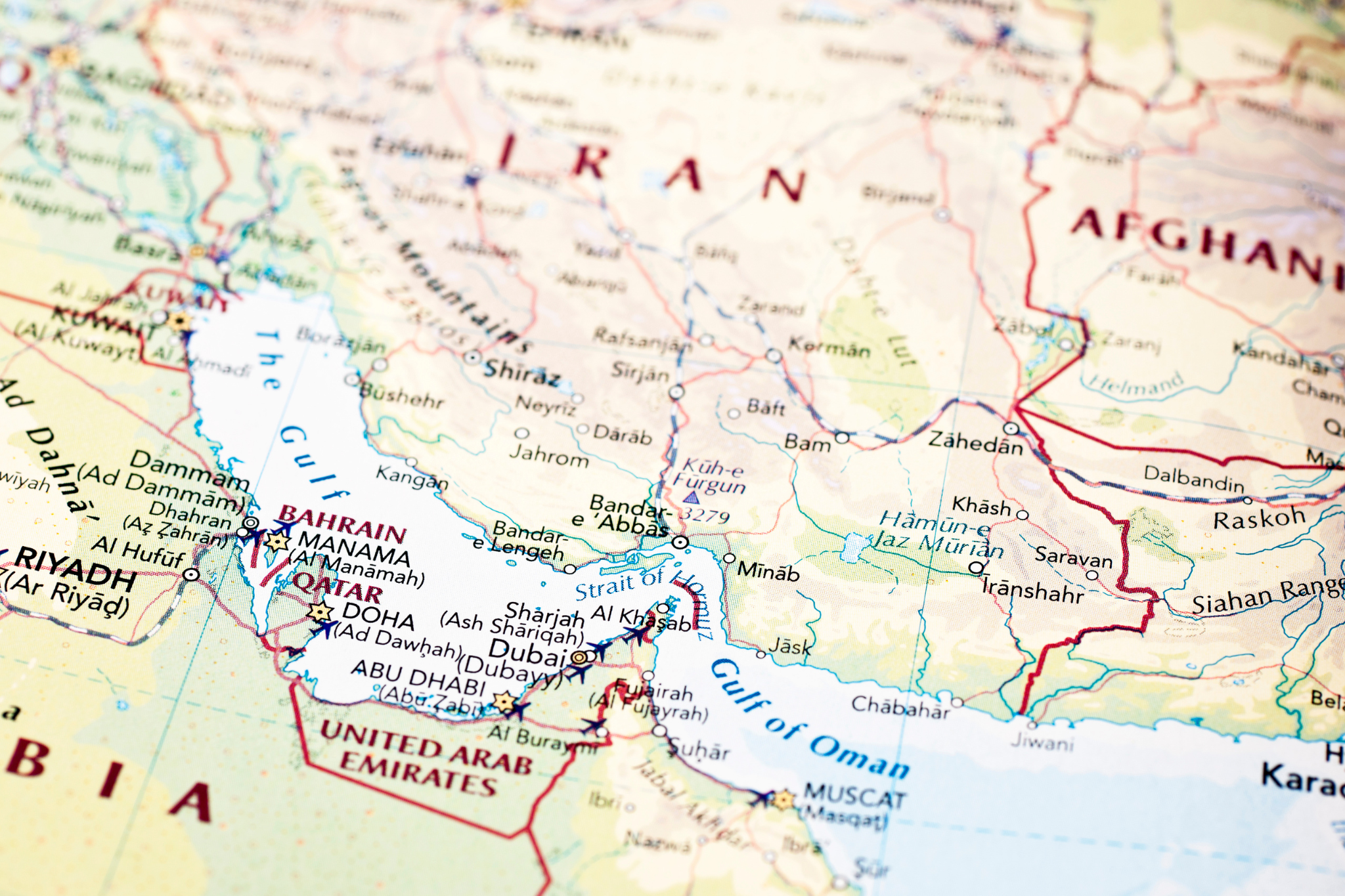
The Strait of Hormuz is one of the world’s most important energy shipping lanes. The U.S. Energy Information Administration describes it as a critical chokepoint for global oil flows, with roughly one-fifth of global petroleum liquids consumption moving through the strait in recent years.
When tension rises in this region, even without a full closure, businesses can see ripple effects through:
- Higher fuel and diesel costs
- Increased ocean freight costs
- Higher insurance and security costs for vessels
- Longer transit times if carriers reroute
- Less reliable delivery schedules
- Broader inflationary pressure
Recent reporting also shows that disruption in the region can sharply affect oil output, tanker traffic, liquified natural gas (LGN) movement, and global energy pricing.
How Tariffs and Hormuz Disruption Overlap
Tariffs raise product costs at the border. Strait of Hormuz disruption raises the cost of moving goods through the global transportation system. Together, they can significantly increase total landed cost.
For brands, that means supply chain planning has to account for more than the purchase price of goods. Leaders need to evaluate:
- Country-of-origin exposure
- Tariff classifications
- Supplier reliability
- Port and routing risk
- Inventory buffers
- Domestic fulfillment network flexibility
- Transportation cost volatility
This is especially important for businesses operating lean inventory models. A tariff increase may be manageable on its own. A fuel spike may be manageable on its own.
But together, they can compress margins, delay replenishment, and create service issues for retailers and end customers.
What Businesses Should Do Now
Companies should focus on practical risk reduction, not panic-driven changes.
Start by reviewing product classifications, supplier locations, and tariff exposure. Then model landed costs under multiple scenarios, including higher fuel, longer transit times, and delayed inbound freight.
Brands should also consider regional inventory placement. A multi-warehouse strategy can help reduce dependence on one port, one carrier lane, or one distribution point.
DA’s footprint in Minnesota, Southern California, and the Houston area gives brands access to over 2 million square feet of scalable 3PL warehouse space, with locations near major transportation routes, West Coast markets, and the Port of Houston.
The Role of a Flexible 3PL Partner
In volatile trade environments, logistics flexibility becomes a competitive advantage. A strong 3PL partner can help businesses:
- Reposition inventory closer to demand
- Manage inbound freight changes
- Support retail and eCommerce fulfillment
- Improve inventory visibility
- Handle kitting, bundling, relabeling, and value-added services
- Adapt fulfillment operations during seasonal or market disruption
At Distribution Alternatives, we help brands build dependable, scalable logistics strategies that support growth while adapting to change. With facilities in Minnesota, California, and Texas, DA provides 3PL warehousing, eCommerce fulfillment, retail distribution, transportation support, and value-added logistics services designed for today’s unpredictable trade environment.
Bottom Line
Global trade volatility is now part of everyday supply chain planning. Tariffs affect what goods cost. Geopolitical disruption affects how goods move. The Strait of Hormuz matters because energy markets touch nearly every transportation mode.
Businesses that invest in, flexible fulfillment, diversified sourcing, and strong logistics partnerships will be better positioned to protect service levels and control costs as trade conditions continue to shift.
Sources and industry references used in this article include:
- Elevate Government Affairs. Trump Tariff Tracker – Updated April 3, 2026.
- U.S. Energy Information Administration (EIA). World Oil Transit Chokepoints.
- Reuters reporting on Strait of Hormuz shipping disruption, oil markets, and global trade impacts.
- United States Trade Representative (USTR) trade framework announcements and tariff policy updates.