
Posts Tagged ‘compliance’
3PL for Lowe’s: What Brands Should Know Before Choosing a 3PL
3PL for Lowe’s: What Brands Should Know Before Choosing a 3PL Lowe’s operates more than 1,700 stores across the United States and owns and operates more than 120 supply chain facilities in its distribution network. For suppliers, it represents one of the most significant retail opportunities in the home improvement category. It also comes with…
Read More3PL for Home Depot: What Suppliers Should Know Before Choosing a 3PL
3PL for Home Depot: What Suppliers Should Know Before Choosing a 3PL Home Depot is the world’s largest home improvement retailer, with more than 2,300 stores across North America and a distribution network built for high-volume, high-velocity fulfillment. For suppliers, getting on the shelf is a significant opportunity. Staying there requires consistent operational execution against…
Read MoreRetail Compliance: What It Is and Why It Matters
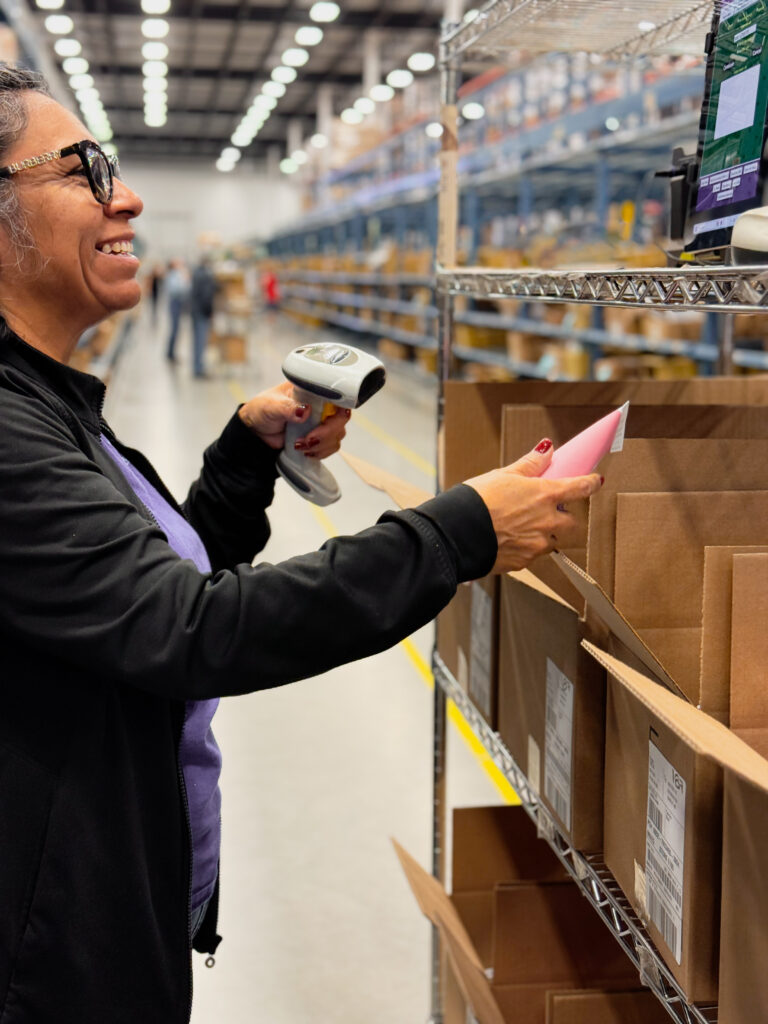
Retail compliance is the set of operational, logistical, and documentation requirements that retailers impose on their suppliers. Meet those requirements and your products move through the supply chain without friction. Miss them and you face chargebacks, delayed shipments, lost shelf space, or removal from a retailer’s approved vendor list. For brands selling through big-box retailers,…
Read MoreNordstrom Vendor Compliance Guide: What to Know in 2026
Nordstrom Vendor Compliance Guide: What to Know in 2026 Selling to Nordstrom requires EDI capability within 60 days of vendor setup, error-free ASNs matched to store and SKU level, floor-ready merchandise, and strict invoice formatting. Nordstrom uses an expense offset fee system rather than traditional chargebacks — fees start at $5 per EDI error and…
Read MoreCVS Vendor Compliance Guide: What to Know in 2026
CVS Vendor Compliance Guide: What to Know in 2026 Selling to CVS Health requires full EDI compliance including GS1-128 labels and ASNs for all vendors regardless of size, a mandate CVS enforced for small suppliers starting in 2024. CVS issues a Weekly Compliance Summary to flag deduction activity. Vendors must use 48″ × 40″ hardwood…
Read MoreTJ Maxx Vendor Compliance Guide: What to Know in 2026
TJ Maxx Vendor Compliance Guide: What to Know in 2026 Selling to TJ Maxx requires meeting TJX Companies’ compliance standards across labeling, EDI invoicing, shipping routing, ticketing, and chargebacks. Vendors access all payment and order tools through the TJX Vendor Self-Service (VSS) portal and Oracle iSupplier system. Every deduction must be disputed individually. Understanding these…
Read MoreWalgreens Vendor Compliance Guide: What to Know in 2026
Walgreens Vendor Compliance Guide: What to Know in 2026 Selling to Walgreens requires full EDI compliance, ASNs transmitted at least 4 hours before DC delivery and 1 hour before store delivery, standard GMA 40″ × 48″ hardwood pallets (no CHEP or PECO), and appointment scheduling via SupplierNet’s IAS system. Walgreens grades vendors on compliance performance…
Read MoreUlta Vendor Compliance Guide: What to Know in 2026
Ulta Vendor Compliance Guide: What to Know in 2026 Selling to Ulta Beauty requires meeting strict standards across six compliance categories — including shipping accuracy, fill rate, EDI/ASN performance, and labeling. Ulta notifies suppliers of infractions before applying chargebacks, giving a 60-day window to dispute. Suppliers must be EDI-capable within 30 days of signing a…
Read MoreTarget Compliance Guide: Everything You Need to Know in 2026

Target Compliance Guide: Everything You Need to Know in 2026 Selling to Target requires mastering its On Time Fill Rate (OTFR) program and the expanded Perfect Order Program, which added new ASN accuracy and barcode compliance metrics in May 2025. Non-compliant shipments are penalized at 5% of COGS. Suppliers must hit 100% on-time and in-full…
Read MoreWalmart Compliance Guide: What to Know in 2026
Walmart Compliance Guide: What to Know in 2026 Selling to Walmart requires meeting strict standards across two core programs: OTIF (On-Time In-Full) and SQEP (Supplier Quality Excellence Program). Failure to comply results in chargebacks of 3% of cost of goods on non-compliant shipments. Suppliers must maintain a 90% on-time rate, 95% in-full rate, and meet…
Read MoreSephora Vendor Compliance Guide: What to Know with 2026
Sephora Vendor Compliance Guide: What to Know with 2026 Selling to Sephora requires meeting detailed logistics, EDI, labeling, and product compliance standards outlined in the Sephora Brand Relations Handbook and Routing Guides. Compliance deductions (codes beginning with ‘DED’) are managed through the Capture Compliance Portal, while invoice deductions go through the MAP Chargeback Portal. Beyond…
Read More